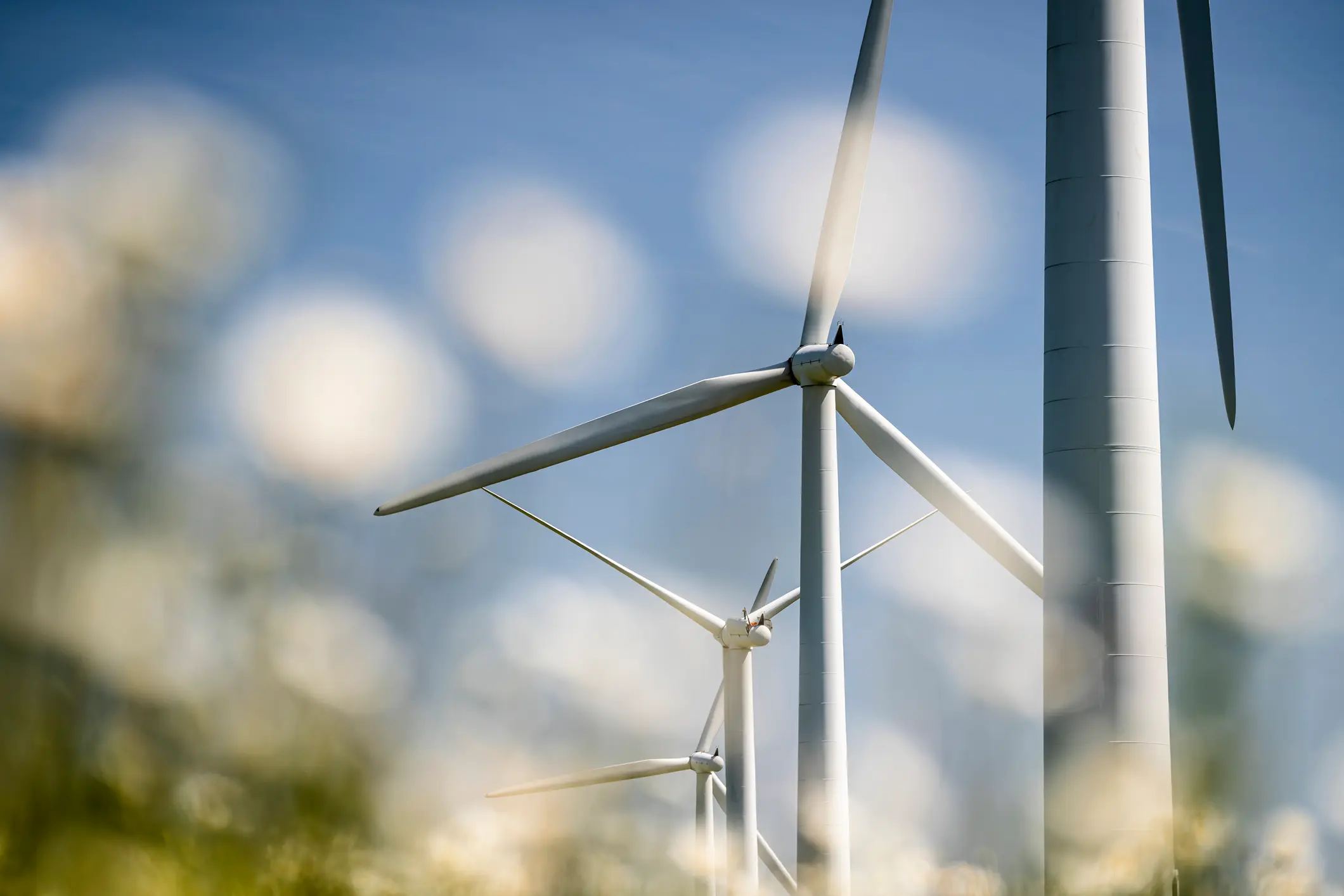
The intensification of climate change has challenged governments, companies and society to accelerate the energy transition towards renewable sources. The rise in global temperature, prolonged droughts, extreme events and the melting of the polar ice caps demand urgent measures. The energy transition — that is, the gradual replacement of fossil fuels with clean sources such as solar, wind, biomass and green hydrogen, among others — is one of the most effective ways to mitigate these impacts.
The role of renewable energy in cutting emissions
According to the Intergovernmental Panel on Climate Change (IPCC), about 73% of global greenhouse gas emissions are related to energy use, especially in power generation, transportation and industry. Adopting renewable energy makes it possible to drastically reduce these emissions, mainly carbon dioxide (CO₂), the main driver of global warming.
A recent study by the International Energy Agency (IEA) indicates that the global use of renewable sources already avoided the emission of more than 2 billion tons of CO₂ in 2023. In Brazil, the electricity mix is one of the cleanest in the world, with about 87% of its energy coming from renewable sources — led by hydropower, followed by solar and wind. This advantage positions the country as a leader on the climate agenda.
Energy transition as a climate strategy
The energy transition is not just a trend, but a vital adaptation and mitigation strategy. The United Nations points out that, to limit the global temperature rise to 1.5°C by the end of the century, global emissions must be cut by 45% by 2030 — and reach net zero by 2050. Without a profound change in the global energy mix, this goal becomes unattainable.
In addition, the growth of clean energy drives innovation, green jobs and sustainable development. According to IRENA’s Renewable Energy and Jobs report, more than 13.7 million people already work in the renewables sector — and this number is expected to double by 2030.
As a national reference in meteorology and climate intelligence, Climatempo plays a key role in this process. Through accurate forecasts, climate variability analyses and real-time monitoring, the company supports the operation and planning of solar, wind and hydroelectric plants, increasing the efficiency and safety of renewable generation.
“The energy transition is, above all, a technical and strategic response to climate change. But it also represents a huge opportunity for innovation and competitiveness for Brazil. At Climatempo, we apply climate intelligence to help companies and governments make data-driven decisions, reducing risks and optimizing the operation of renewable sources such as solar, wind and hydro. A sustainable future starts with predictability — and that is what we deliver every day.” – Pedro Regoto, climate change specialist and Head of Operations at Climatempo.
In addition, Climatempo’s initiatives in climate education, risk communication and strategic consulting help companies and society understand the urgency and opportunities of the energy transition.