São Paulo
 23°
23°
23°
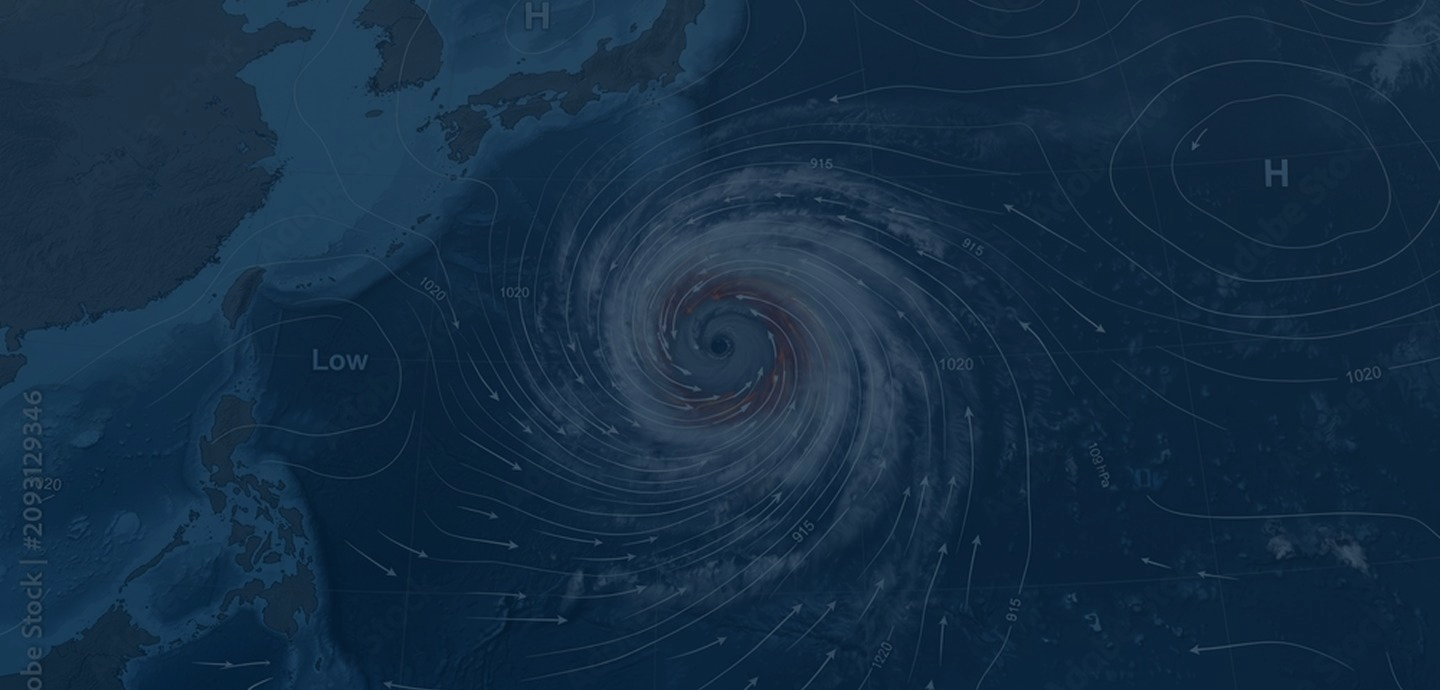
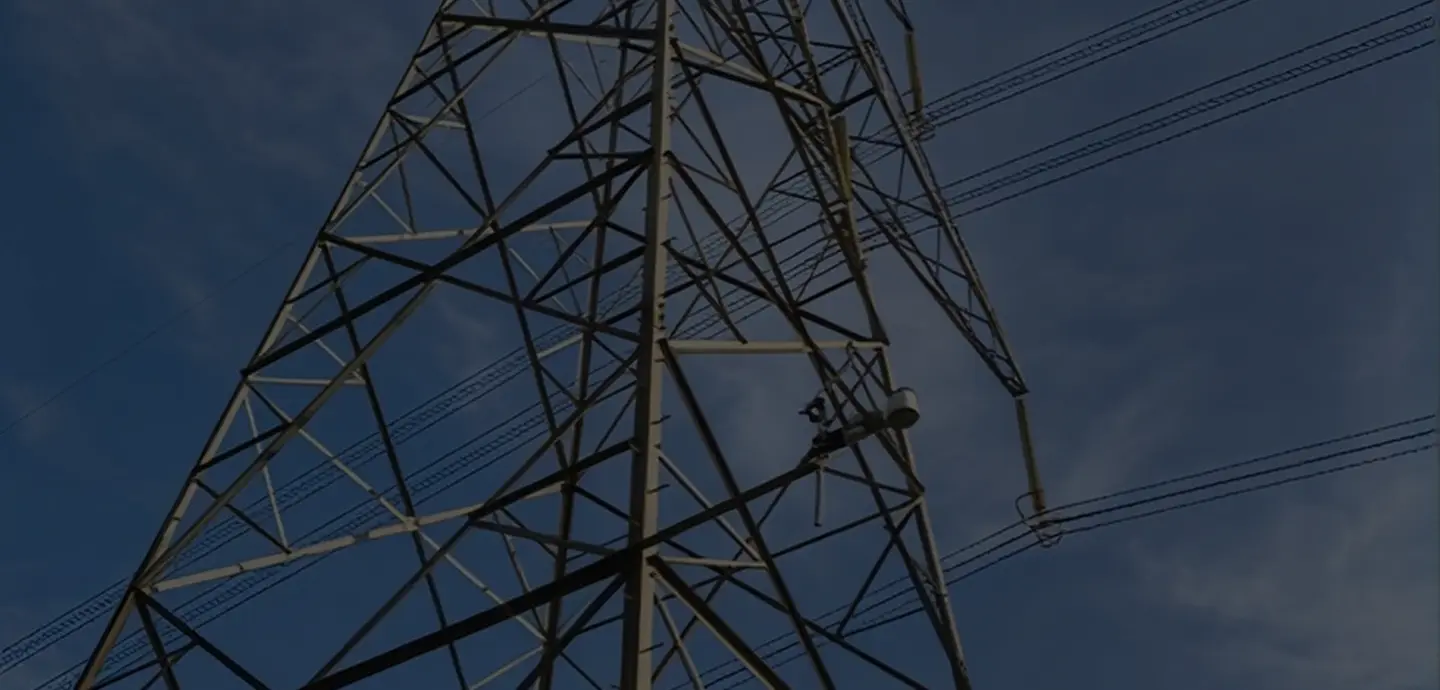
A lightning strike three kilometers from a substation. A wind gust forming toward a wind farm. A wildfire advancing over a transmission line right-of-way. These are usually discovered too late, when the damage is done and the crew is already exposed.
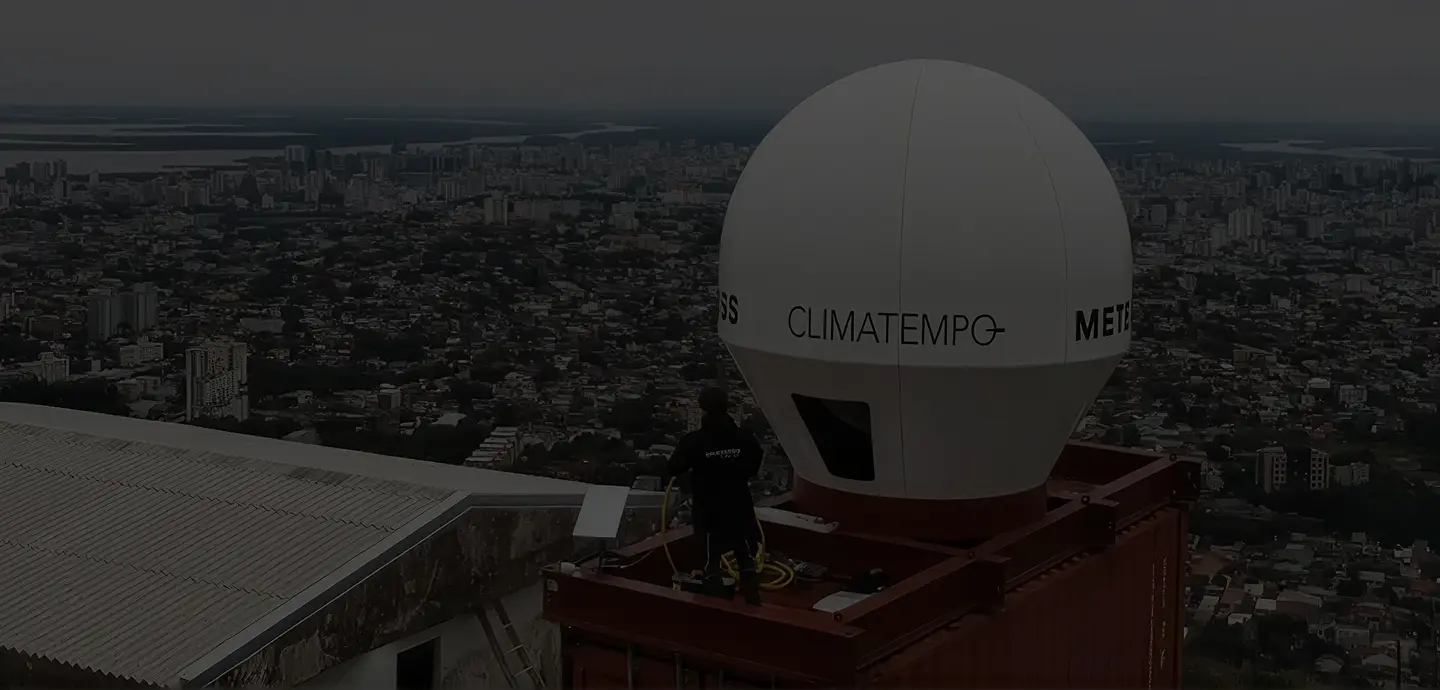
CTSuite monitors these events by line (in km) or by area (in km²), with radar updated every 10 minutes, and alerts the operation early enough to take field crews out of harm's way, plan restoration dispatch and reduce response time to outages.

It is not a platform of generic dashboards. It is the weather reading translated into what each asset, each team and each regulatory report needs.
You define the line length in km. When wind exceeds 90 km/h on any stretch, the alert arrives before the outage.
You define the asset polygon in km². When lightning, heavy rain or strong winds enter the area, the alert arrives in time to act.
Data measured in the field by your own stations, organized in one place, without relying on spreadsheets or another system to look it up.
When an extreme event interrupts the operation, this history becomes the technical evidence that supports the force majeure report before ANEEL.

The questions that transmission, distribution and generation operators usually ask before deciding.
What type of energy company is CTSuite for?
Transmission companies, distribution utilities and wind and solar generators use different modules, according to the risk each one needs to monitor: line, area or specific asset.
How often is the data updated?
The synthetic radar updates every 10 minutes. This cycle is what makes it possible to warn about a storm before it reaches the asset.
Can historical data be used as evidence before ANEEL?
Yes. It is one of the most common uses among distribution utilities. When ANEEL requests an explanation for an outage, the COBRADE report with our historical data proves it was an extreme weather event and not a maintenance failure.
Does it require an in-house technical team to operate?
No. Operations and planning teams use the platform directly, without depending on development.
Can more than one asset be monitored at the same time?
Yes. Alerts are configured by line or by area, so transmission, distribution and generation can be monitored together, each with the threshold that makes sense for it.

“With Climatempo’s alerts we can pull field teams out of harm’s way before storms arrive. Our operation became safer and more predictable.”

Operations Director, Energia Sul
“Having a single platform for weather, risk and decisions cut costs and sped up our team’s response.”
Innovation Director, Grupo Terra Forte
“Real-time monitoring gave us visibility into what really affects the network and day-to-day works.”
Head of Risk, Gás Brasil Distribuidora
It is not a generic weather layer plugged into your operation. It is a reading built for transmission, distribution and generation, with the technical detail each one requires.

You don't get a "rain in the region" alert. You define the line route in km or the plant polygon in km², and the alert is calculated for that specific asset.
In areas without conventional weather radar coverage, it is the only real-time reading available to decide before the storm arrives.
Meetings and briefings with dedicated meteorologists explain the why behind the forecast, not just the number. It is the difference between trusting the data and trusting who interprets it.
The history of lightning, wildfires and extreme variables supports COBRADE reports accepted by the regulator, ready for the deadline the utility must meet.